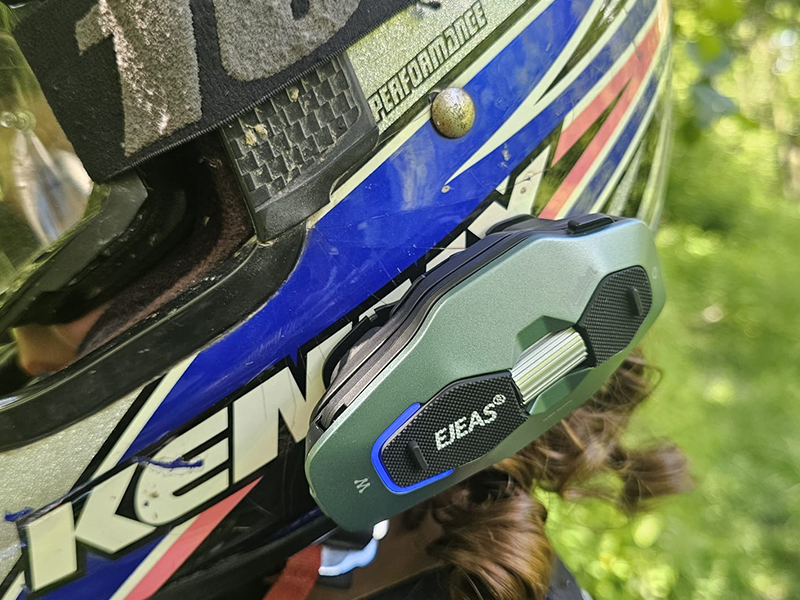
Helmet Comm – Premium Bluetooth Communication Systems by EJEAS for Riders Worldwide
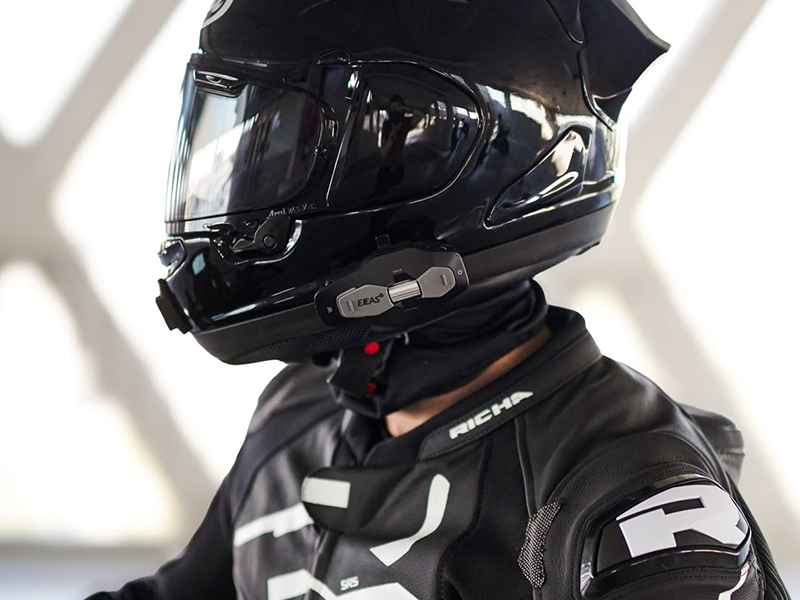
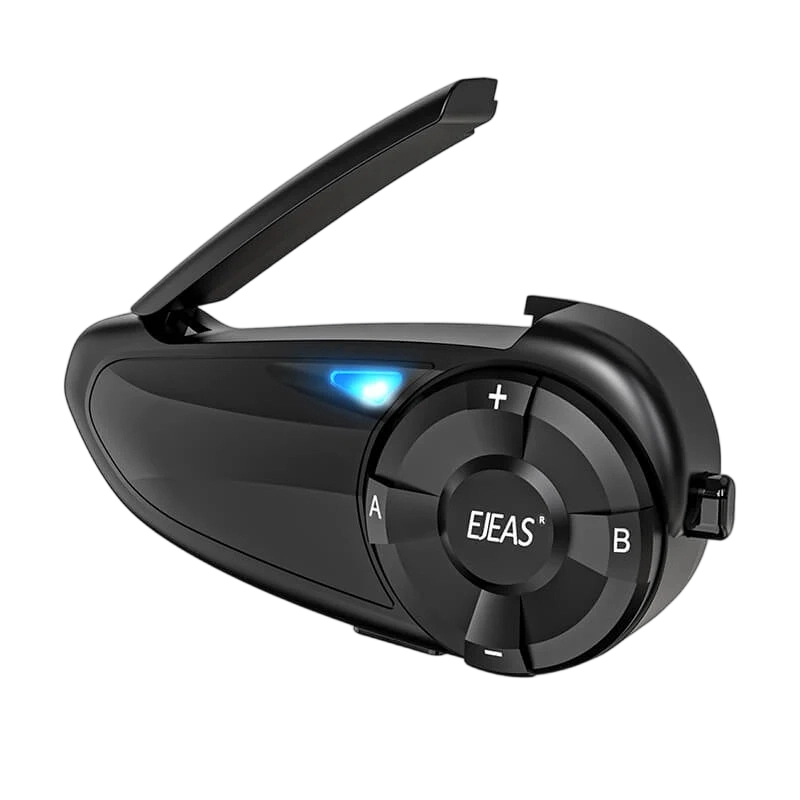
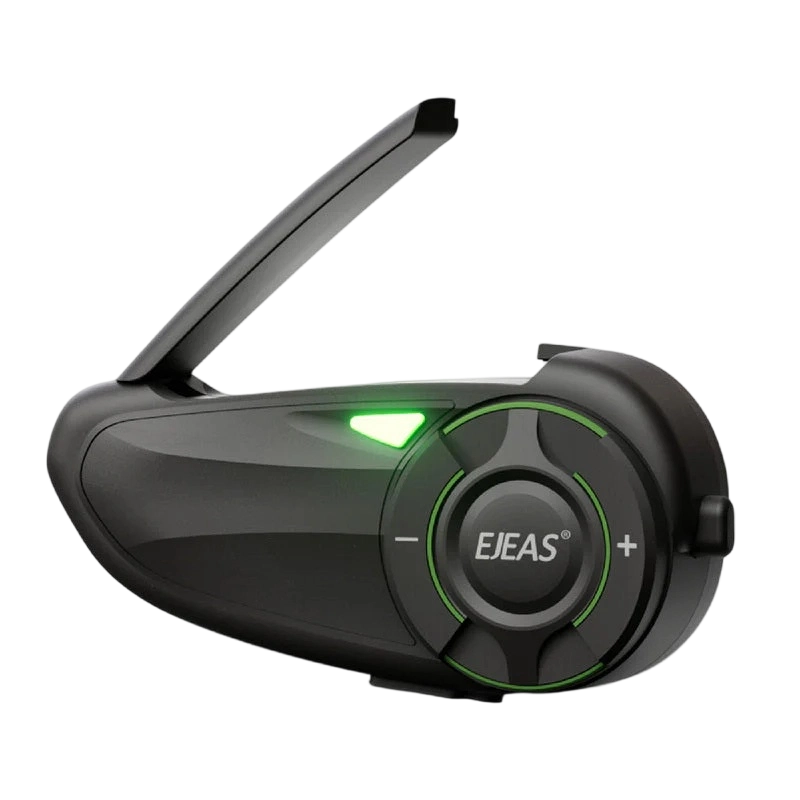
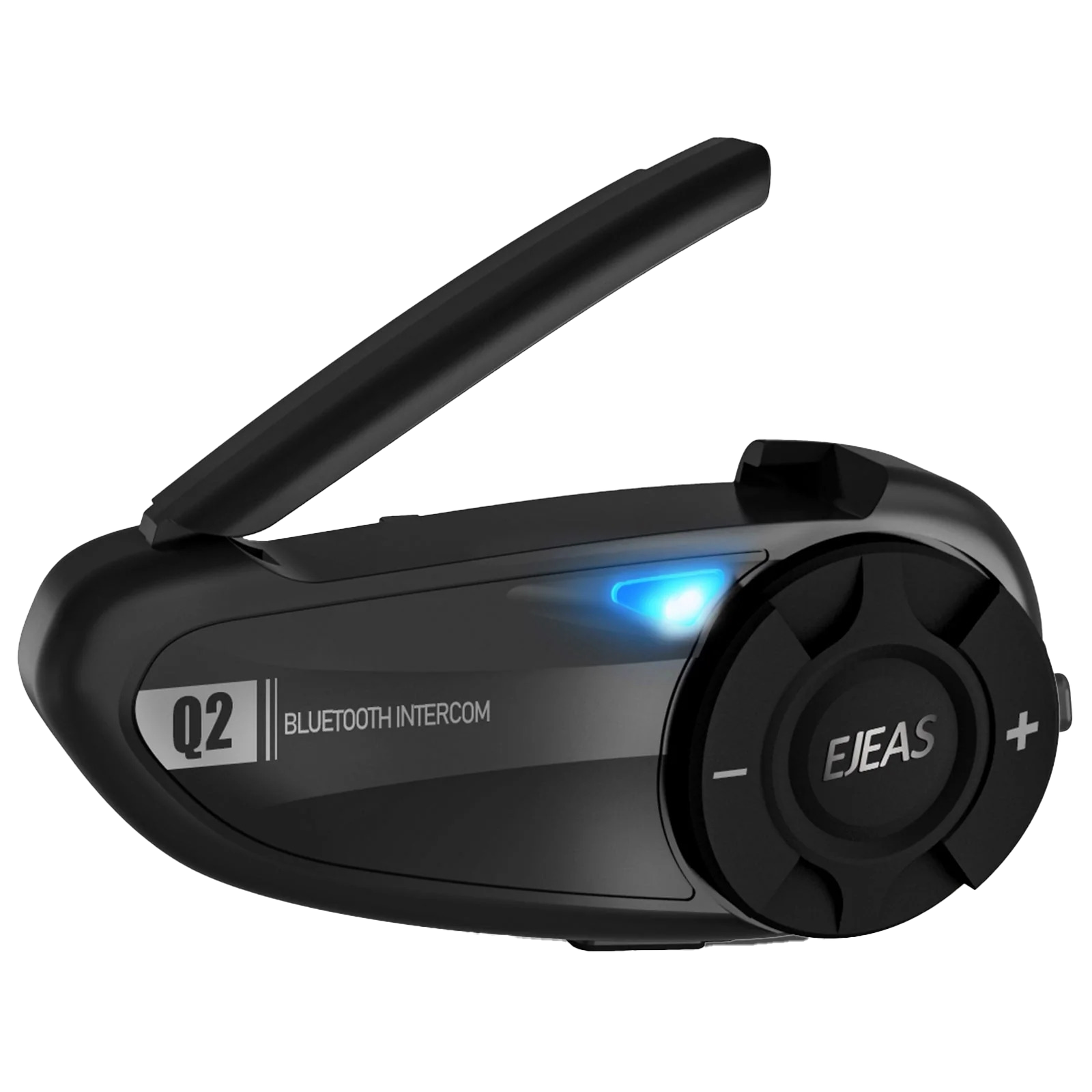
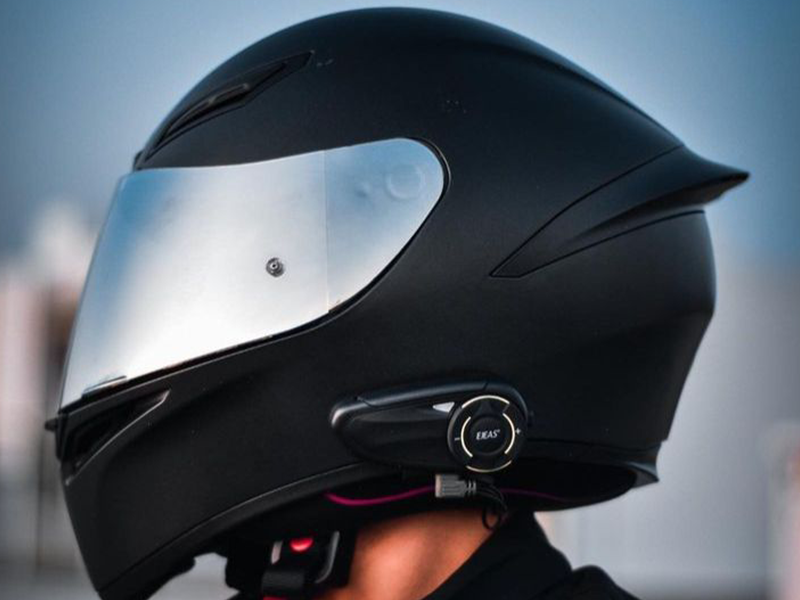
Helmet Comm represents the pinnacle of motorcycle communication technology, engineered by Shenzhen EJEAS Intelligent Technology Co., Ltd., a high-tech enterprise founded in 2005 and headquartered in Longhua New District. As a recommended brand by the CCTV Climbers program, EJEAS has spent nearly two decades perfecting Helmet Comm solutions that connect riders, skiers, coaches, referees, and surfers across more than 200 countries. With over 10 million users worldwide spanning Europe, the United States, Asia, South America, Oceania, Africa, and the Middle East, our Helmet Comm devices are built for adventure. Whether you are leading a motorcycle convoy through mountain passes, coordinating a ski team on fresh powder, or coaching athletes in real time, Helmet Comm keeps every conversation crystal clear. Our R&D, production, and sales teams work under one roof, allowing rapid innovation and rigorous quality control.
Get A Quote


 EN