

 EN
The Evolution of Cable Free Voice Communication
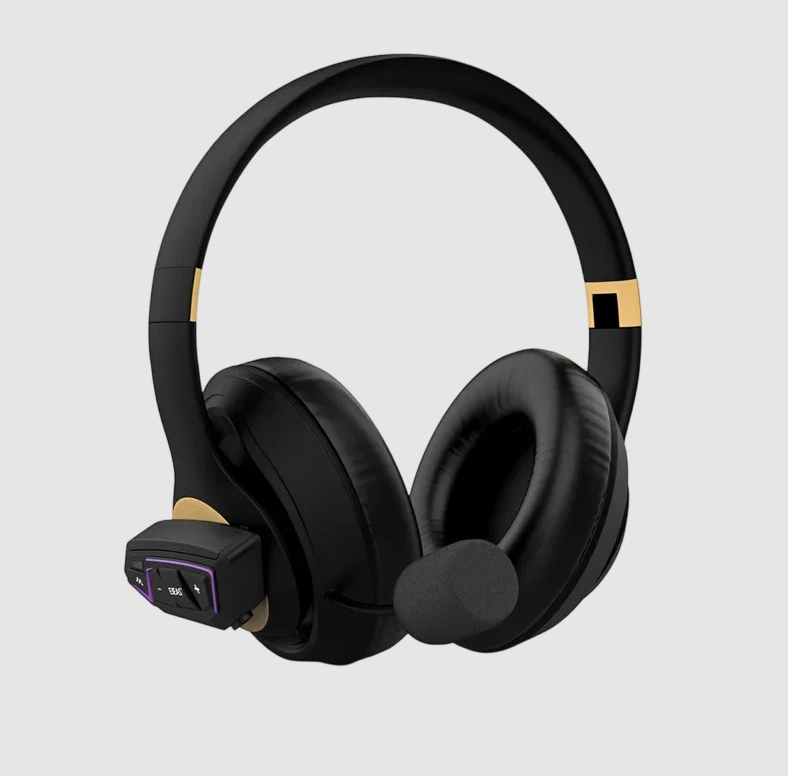
Fast paced operational environments require reliable voice transmission without the physical constraints of traditional wired infrastructure. Early communications systems relied heavily on fixed cables, which created severe mobility restrictions and high installation costs across sprawling industrial sites. Today, adopting a modern wireless intercom provides teams with instant hands free connectivity, allowing workers to collaborate seamlessly across dynamic environments. Industrial directors and site managers recognize that dependable voice technology eliminates operational delays and enhances worker safety during complex tasks. When evaluating communications hardware, organizations seek systems that deliver stable signals through thick concrete walls and dense metal structures. Understanding the operational fundamentals of a wireless intercom helps decision makers select hardware tailored to their specific facility layouts and environmental hazards. Deploying a professional wireless intercom eliminates installation friction, ensuring that critical safety warnings and routine updates reach personnel instantly. A well engineered wireless intercom transforms daily site management into an organized and efficient operation. Facility leaders understand that clear voice transmission builds team efficiency during high pressure tasks. Professional site supervisors confirm that instant voice connectivity reduces workplace accidents significantly.
Core Technical Architecture and RF Signal Stability
At the center of contemporary communications technology lies advanced radio frequency processing that maintains voice clarity across congested wireless environments. Integrating dynamic frequency hopping inside a wireless intercom protects voice channels from interference caused by surrounding Wi Fi networks and industrial machinery. Independent telecommunications evaluations confirm that digital encryption protocols within a voice headset guarantee secure transmissions, protecting sensitive operational conversations from external monitoring. Utilizing multi channel mesh networks allows each wireless intercom node to pass voice data along optimal paths, expanding coverage across sprawling venues without needing static base stations. Advanced digital signal processing inside a communications unit isolates human speech frequencies while suppressing ambient background noise. Sound engineers calibrate internal antennas to maximize signal penetration across physical obstacles and remote outdoor zones. Investing in a wireless intercom built on cutting edge wireless chipsets guarantees uninterrupted real time voice transmission across challenging industrial sites.
Diverse Deployment Scenarios Across Key Industries
The practical versatility of a wireless intercom makes it an essential tool across commercial, sports, and industrial sectors worldwide. In high speed sports officiating, referees utilize a lightweight wireless intercom to coordinate decisions instantly across loud stadiums. Construction management teams rely on a rugged wireless intercom to connect crane operators with ground crews, preventing miscommunication during heavy lifting operations. Film production crews and event coordinators deploy a multi channel wireless intercom to synchronize lighting, audio, and stage management teams without running messy cables across crowded venues. Motorcycling clubs and outdoor sports enthusiasts equip their protective gear with a compact wireless intercom to maintain clear convoy communication over long distances. Emergency response teams and security personnel depend on a weatherproof wireless intercom for rapid tactical coordination during critical situations. Adopting a versatile wireless intercom enhances operational coordination across every professional sector.
Hardware Durability and All Weather Operational Reliability
Professional communication accessories must endure extreme temperature fluctuations, torrential downpours, dust clouds, and severe physical impacts without hardware failure. Heavy duty casing rated to strict international waterproof standards ensures that internal circuitry inside a wireless intercom remains fully protected during severe storms. Ergonomic controls and tactile buttons allow personnel to adjust volume levels and switch channels without removing thick protective gloves. Field technicians note that quick release mounting assemblies prevent mechanical wear while making charging and firmware management convenient for large fleets. A durable wireless intercom features impact resistant polycarbonate housing and sweat resistant materials for extended outdoor longevity. Advanced power management circuits inside a wireless intercom optimize battery consumption, delivering extended operating hours for long work shifts and multi day events. Selecting a rugged wireless intercom guarantees dependable voice communication across changing seasons and challenging geographic terrains.
Industrial Manufacturing Excellence and Supply Infrastructure
Delivering high performance wireless hardware to global commercial markets demands world class manufacturing capabilities and comprehensive quality assurance protocols. EJEAS operates state of the art production facilities equipped with automated surface mount assembly lines and specialized acoustic testing chambers. Streamlined supply chain management guarantees stable sourcing of premium microchips, enabling large scale production of each wireless intercom without compromising strict quality standards. Global distribution networks rely on this robust industrial infrastructure to supply security firms, sports associations, and industrial clients worldwide. Stringent factory audits and ISO safety certifications ensure that every manufactured wireless intercom meets exact durability benchmarks. Continuous research and development behind every wireless intercom line ensures that clients receive reliable, cutting edge equipment built for demanding real world applications. Manufacturing excellence from EJEAS delivers high value, dependable communication solutions across global commercial sectors.
Future Trends in Smart Voice Ecosystems
The future of professional voice communication is moving rapidly toward artificial intelligence integration, biometric monitoring, and smart facility ecosystems. Emerging wireless protocols will enable automatic channel allocation and seamless hands free voice activation for unlimited user networks in complex facility environments. Equipping operational personnel with a next generation wireless intercom prepares organizations for future smart mobility infrastructure and connected industrial networks. Collaborative research between hardware developers and industry safety organizations continues to drive innovation in hands free voice transmission protocols. As wireless technology advances, each upcoming wireless intercom release will offer even higher voice clarity, extended battery endurance, and seamless integration with wearable sensors. Embracing these technological innovations ensures that every wireless intercom remains an indispensable asset for modern operational success. Long term operational growth relies heavily on flexible and dependable voice equipment. Modern enterprises prioritize adaptable wireless technology to maintain safety and productivity.
Table of Contents
- The Evolution of Cable Free Voice Communication
- Core Technical Architecture and RF Signal Stability
- Diverse Deployment Scenarios Across Key Industries
- Hardware Durability and All Weather Operational Reliability
- Industrial Manufacturing Excellence and Supply Infrastructure
- Future Trends in Smart Voice Ecosystems