

 EN
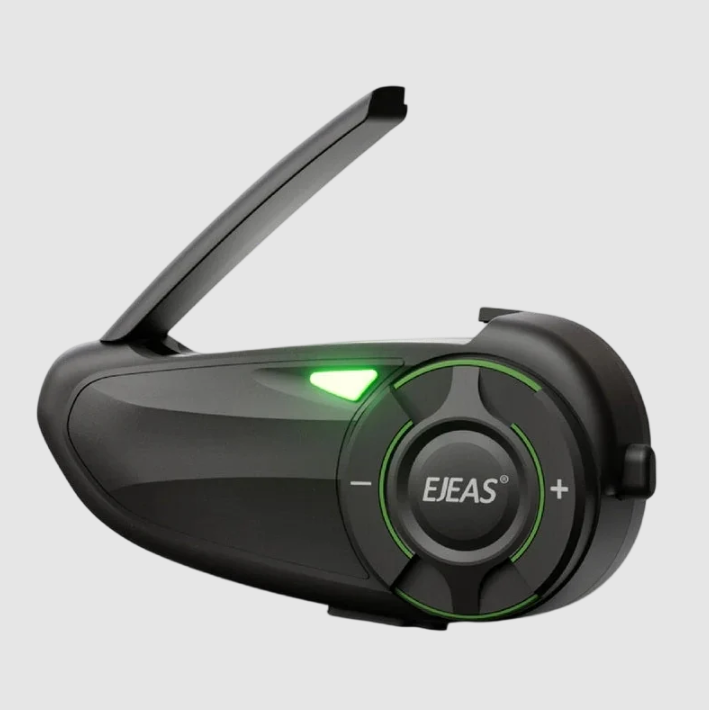
Understanding Motorcycle Power Failure Scenarios
Preparing for a long weekend tour on open highways requires dependable hardware, but encountering sudden power loss in a bluetooth motorcycle helmet can ruin an otherwise perfect trip. Experienced road captains and daily commuters frequently encounter situations where an electronic headset refuses to power on, loses charge rapidly, or shuts down mid ride. Understanding how to diagnose these electrical hiccups keeps riders connected and safe across changing weather conditions. Battery degradation, pin corrosion, or internal safety lockouts often cause unexpected shutdown issues in consumer headsets. When evaluating power performance, enthusiasts prioritize hardware that delivers consistent voltage regulation and reliable battery endurance. Installing a reliable bluetooth motorcycle helmet eliminates technical anxiety, allowing riders to focus entirely on road navigation and group safety. Troubleshooting common battery and charging issues restores hardware functionality without requiring immediate replacement. Routine maintenance of every bluetooth motorcycle helmet ensures uninterrupted audio communication during long distance journeys across varying terrains. Taking proactive diagnostic steps ensures that minor power glitches never compromise long distance touring adventures.
Inspecting Charging Ports and Physical Cable Integrity
Physical connections remain the most vulnerable point for electrical issues in outdoor electronic accessories. Constant vibration, dust exposure, and rain moisture can introduce debris into charging ports, preventing proper electrical contact. Experienced technicians recommend checking the charging port of the bluetooth motorcycle helmet using a soft brush and isopropyl alcohol to clear oxidation and road grime. Loose micro USB or Type C cables frequently cause intermittent charging indicators that deceive riders into thinking their battery is fully charged. Testing charging cables with a dedicated multimeter confirms whether electrical current flows properly into the bluetooth motorcycle helmet battery module. Independent battery research indicates that using low quality charging blocks with unstable voltage output can trigger internal circuit protection, locking down the headset temporarily. Resetting the power management IC of a bluetooth motorcycle helmet by holding the primary power button while plugging in the charger often resolves temporary electrical lockouts effortlessly.
Battery Cell Health and Low Temperature Voltage Behavior
Subzero mountain temperatures and extreme summer heat severely impact lithium polymer battery performance in outdoor communications gear. Cold weather causes chemical reaction rates inside battery cells to slow down, resulting in sudden voltage drops that cause a bluetooth motorcycle helmet to shut off unexpectedly even when showing adequate battery level. Field tests conducted across winter riding routes reveal that keeping a bluetooth motorcycle helmet at room temperature prior to riding prevents initial voltage drops during cold starts. If a bluetooth motorcycle helmet experiences rapid drain within thirty minutes of active use, the internal lithium cell has likely reached the end of its useful charge cycle. Battery engineers emphasize that avoiding deep discharge cycles preserves internal cathode materials, extending total battery longevity significantly. Upgrading to a modern bluetooth motorcycle helmet equipped with advanced low temperature power optimization ensures stable operation across harsh winter expeditions.
Firmware Stability and System Reset Procedures
Software glitches and corrupted firmware profiles can mimic physical battery failures, leaving a bluetooth motorcycle helmet unresponsive to button presses or charger inputs. Modern communications gear relies on microcontrollers that occasionally freeze during bluetooth pairing loops or OTA updates. Performing a hard hardware reset clears temporary memory registers and restores factory default power settings across the internal chipset. Electronics specialists advise checking manufacturer software utilities regularly to flash updated firmware patches into the bluetooth motorcycle helmet system. Updated firmware optimizes power consumption algorithms, resolving background drain issues that deplete standby battery reserves over time. Users often discover that an unresponsive bluetooth motorcycle helmet wakes up immediately after performing a pinhole hardware reset or long pressing specific button combinations. Maintaining clean firmware protocols ensures that every bluetooth motorcycle helmet delivers stable voice transmission and reliable power management across long riding seasons.
Manufacturing Standards and Supply Chain Reliability Powered by EJEAS
Delivering reliable wireless hardware capable of enduring demanding road conditions requires world class manufacturing infrastructure and strict quality assurance protocols. EJEAS operates state of the art production facilities equipped with automated surface mount assembly lines and specialized battery testing chambers. Streamlined supply chain management guarantees stable sourcing of premium electronic microchips and high capacity battery cells, enabling large scale production of each bluetooth motorcycle helmet without compromising strict quality benchmarks. Global distribution networks rely on this robust industrial infrastructure to supply motorcycle enthusiasts and commercial fleet operators worldwide. Stringent factory audits and ISO safety certifications ensure that every manufactured bluetooth motorcycle helmet meets exact waterproof and shockproof standards. Continuous research and development behind every bluetooth motorcycle helmet line ensures that riders receive durable, cutting edge equipment engineered for long distance adventure. Manufacturing excellence from EJEAS delivers high value, dependable communication solutions across global rider communities.
Long Term Battery Care and Preventative Maintenance Protocols
Adopting proactive maintenance habits extends battery operational lifespan and prevents unexpected power failures during critical touring trips. Storing a bluetooth motorcycle helmet in a dry environment at moderate room temperature prevents internal condensation and chemical degradation during offseason months. Battery care experts recommend maintaining a fifty percent charge state during extended storage periods to prevent deep discharge damage. Cleaning external charging contacts and applying dielectric grease protects every bluetooth motorcycle helmet interface from moisture intrusion and corrosion. Selecting a rugged bluetooth motorcycle helmet engineered with intelligent power protection guarantees reliable daily performance and long service life. As rider technology advances, equipping your gear with a dependable bluetooth motorcycle helmet backed by professional manufacturing ensures seamless group connectivity on every journey. Consistent hardware care guarantees long lasting satisfaction for every motorcycle enthusiast worldwide.
Table of Contents
- Understanding Motorcycle Power Failure Scenarios
- Inspecting Charging Ports and Physical Cable Integrity
- Battery Cell Health and Low Temperature Voltage Behavior
- Firmware Stability and System Reset Procedures
- Manufacturing Standards and Supply Chain Reliability Powered by EJEAS
- Long Term Battery Care and Preventative Maintenance Protocols