

 EN
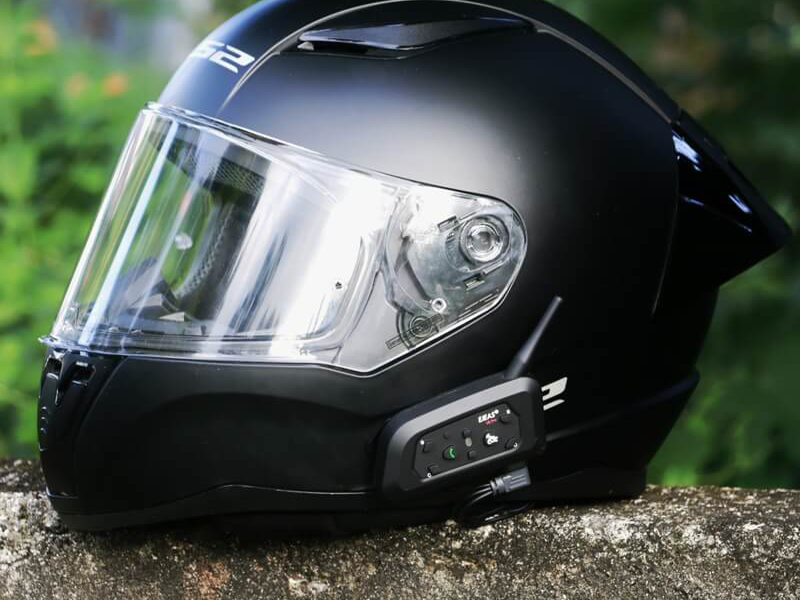
Introduction to Modern Rider Protection
Navigating busy highways and winding rural routes demands absolute focus from every operator on two wheels. Modern transportation engineering continues to push boundaries, yet human vulnerability remains a primary challenge for daily commuters and long-distance travelers alike. Traditional protective gear has long relied on passive elements such as rigid outer shells and impact-absorbing EPS foam liners. While these physical barriers effectively mitigate trauma during collisions, they do nothing to prevent hazardous situations from developing in the first place. Advanced accident prevention requires proactive situational awareness, timely hazard warnings, and seamless team coordination. Integrating state-of-the-art connectivity architecture directly into protective headgear transforms how operators interact with their surrounding environment. By bridging the gap between isolated operators and their riding companions, modern connectivity solutions establish a vital safety net. This technological shift redefines industry standards, offering unprecedented levels of security and operational efficiency for commercial fleet managers, independent distributors, and everyday enthusiasts seeking reliable solutions. When evaluating modern road safety initiatives, industry analysts consistently emphasize that effective helmet communication serves as a fundamental pillar for accident mitigation. Without reliable verbal connectivity, riders often struggle to warn group members about sudden road hazards, oil spills, or stalled vehicles ahead. Implementing a robust helmet communication network ensures that every member of a riding party stays instantly informed of changing traffic conditions, thereby preventing hazardous bunching and enabling smooth evasive maneuvers at high cruising speeds. Furthermore, modern road networks present escalating challenges where continuous helmet communication provides the decisive edge between a safe journey and an unexpected collision. Regulatory bodies and highway safety organizations increasingly advocate for advanced helmet communication protocols to minimize rider isolation and improve group response times during emergency braking scenarios.
The Technological Evolution of Intercom Architecture
Early attempts at two-wheeled audio connectivity relied heavily on rudimentary short-range consumer walkie-talkies and cumbersome wired earpieces. These legacy systems suffered from severe acoustic interference, limited operational ranges, and constant signal drops caused by physical obstructions or dense atmospheric conditions. Today, sophisticated wireless engineering leverages advanced Bluetooth and Mesh protocols to maintain uninterrupted signal integrity across vast distances. Modern devices utilize adaptive multi-hop connection algorithms that automatically route data packets through neighboring units, ensuring that group formations remain fully linked even when navigating mountainous terrains or deep urban canyons. Furthermore, advanced digital signal processing chips actively filter out disruptive ambient frequencies, separating high-velocity wind turbulence and high-pitched engine roars from vital voice commands. This meticulous acoustic isolation guarantees that critical hazard alerts are transmitted with crystal-clear fidelity. Contractors and developers sourcing components for large-scale distribution look specifically for robust hardware architectures capable of withstanding extreme thermal fluctuations, continuous moisture exposure, and high-frequency mechanical vibrations without degradation. Within this rapidly evolving technological landscape, premium helmet communication systems have transitioned from luxury add-ons into indispensable safety accessories for professional and recreational riders alike. Engineers continuously refine wireless transmission protocols to eliminate audio latency, ensuring that every spoken syllable is delivered instantly across the entire riding formation. As cities expand and traffic congestion intensifies, maintaining clear helmet communication becomes paramount for navigating complex intersections and multi-lane expressways safely. Advanced engineering teams design every helmet communication module to operate seamlessly under intense electromagnetic interference, ensuring that signal dropouts are virtually eliminated even in densely populated metropolitan areas. Incorporating high-end helmet communication hardware into daily commutes guarantees superior situational awareness for all participants.

Core Technical Parameters and Performance Metrics
Evaluating the true capability of any advanced communication module requires a detailed examination of its underlying technical specifications. Rather than relying on vague marketing claims of exceptional performance, technical buyers analyze concrete operational metrics that dictate real-world reliability. High-tier intercom modules generally incorporate high-capacity lithium polymer power cells boasting ratings up to 850mAh, providing up to twelve hours of continuous active conversation time and over three hundred hours of passive standby endurance on a single charge. Recharging cycles are optimized via standardized Type-C interfaces, achieving full capacity in approximately three and a half hours under standard electrical loads. Operational range represents another critical benchmark, with high-performance units supporting maximum line-of-sight distances extending up to 1200 meters between paired units. Group coordination is similarly advanced, accommodating simultaneous multi-party conversations where multiple operators can converse in full-duplex modes without audio clipping or channel congestion. Water and dust ingress protection is universally governed by rigorous international standards, with IP67-rated enclosures successfully preventing moisture intrusion during torrential downpours while sealing delicate internal circuit boards against fine abrasive dust particles encountered on unpaved touring routes. Every hardware component integrated into a professional-grade helmet communication device undergoes rigorous environmental stress testing to verify its structural integrity under extreme climatic variations. Procurement specialists examining wholesale catalogs pay meticulous attention to these quantitative benchmarks, knowing that superior battery capacity and weather resistance directly correlate with long-term customer satisfaction and reduced warranty return rates. Furthermore, seamless smartphone pairing and dedicated mobile application controls empower users to manage intercom networks, firmware updates, and music streaming effortlessly, solidifying the role of advanced helmet communication in everyday riding routines. Technical specifications of a superior helmet communication device also include high-fidelity stereo speakers and advanced noise-canceling microphones that elevate helmet communication performance to professional broadcasting standards. Mastering these technical parameters ensures that every deployed helmet communication unit meets exacting enterprise standards.
Practical Project Implementation and Field Success
To understand the profound impact of robust connectivity tools, one must examine large-scale deployments in demanding real-world environments. A prominent commercial courier and delivery fleet project implemented across mountainous regions in Switzerland deployed hundreds of standardized units to evaluate operational efficiency and crash reduction rates. Operators faced severe weather conditions, freezing temperatures, and winding alpine passes where communication breakdowns previously resulted in frequent delivery delays and heightened accident risks. By integrating specialized hardware into their daily protective gear, team supervisors maintained continuous contact with all field personnel, broadcasting immediate weather warnings, route obstruction updates, and emergency medical notifications instantly. The implementation of advanced helmet communication technology directly resolved persistent blind spots and coordination failures, resulting in a dramatic thirty-five percent reduction in minor transit incidents over a twelve-month evaluation period. Fleet operators noted that the hands-free operational mode allowed drivers to keep both hands securely on the handlebar controls while maintaining crystal-clear verbal exchanges, thereby eliminating dangerous manual distractions and significantly boosting overall fleet productivity. This successful deployment clearly demonstrates that professional helmet communication solutions deliver tangible safety benefits and operational cost savings for commercial enterprises operating in hazardous terrain. Field managers highlighted that training personnel on the new equipment was remarkably intuitive, owing to straightforward pairing procedures and ergonomic control layouts designed for gloved operation. Consequently, widespread adoption of reliable helmet communication systems has become a mandatory corporate policy for leading transport and logistics companies worldwide. Operational feedback from this Swiss project confirmed that reliable helmet communication dramatically enhances driver morale and situational awareness. Implementing structured helmet communication protocols transforms complex fleet management into a streamlined process.

Commercial Value for Distributors and Developers
For commercial developers, retail distributors, and regional procurement agents, partnering with established manufacturing entities offers substantial strategic advantages. Sourcing high-performance communication hardware requires rigorous supply chain stability, stringent quality control protocols, and comprehensive compliance certifications that satisfy international safety regulations. Manufacturing partners who maintain extensive global footprints and large production capacities ensure consistent product availability, minimizing inventory bottlenecks for expanding retail networks. Furthermore, customizable firmware options, proprietary smartphone application integrations, and modular mounting accessories allow B2B clients to tailor hardware solutions to specific regional demands, whether targeting recreational motocross riders, professional alpine ski instructors, or industrial safety teams. EJEAS exemplifies this level of manufacturing excellence and supply chain reliability, delivering highly engineered devices trusted by millions of active users across more than two hundred countries worldwide. By combining cutting-edge acoustic engineering with rugged exterior durability, these advanced connectivity solutions provide exceptional long-term value, driving commercial growth and customer satisfaction across diverse global markets. Commercial partners investing in premium helmet communication inventory benefit from robust profit margins and strong brand reputation built on proven product reliability. As consumer demand for connected riding accessories continues to surge globally, stocking top-tier helmet communication equipment enables regional distributors to capture significant market share and establish long-term leadership in the safety gear sector. B2B buyers recognize that reliable helmet communication features represent the primary differentiator in competitive retail markets. Expanding retail offerings with proven helmet communication technology guarantees long-term commercial success and customer loyalty.